Professional Window Cleaning Techniques for Streak-Free Results
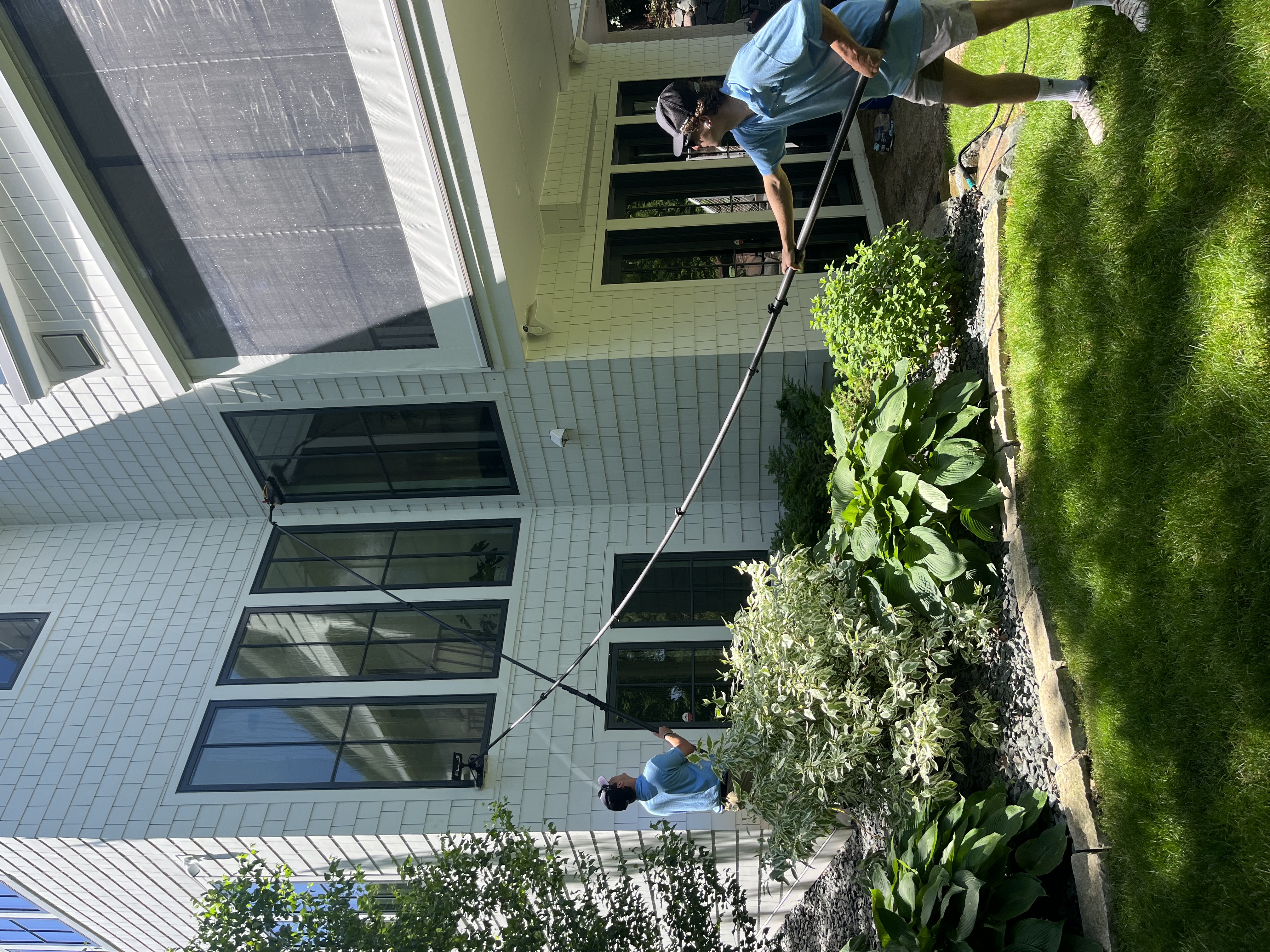
Achieving streak-free, crystal-clear windows requires more than just soap and water. Professional window cleaners in Minnetonka use specific techniques, tools, and timing developed through years of experience dealing with Minnesota's unique environmental challenges. Here's everything you need to know about professional window cleaning methods.
Essential Professional Tools and Equipment
Squeegees: The Professional Standard
The squeegee is the cornerstone of professional window cleaning. Quality matters significantly—professional squeegees feature:
- Rubber blade quality: Professional-grade rubber that maintains flexibility in Minnesota's temperature extremes
- Proper sizing: Multiple sizes (6", 12", 18", 24") for different window dimensions
- Handle design: Ergonomic handles that reduce fatigue during extended use
- Blade maintenance: Sharp, nick-free edges replaced regularly for optimal performance
Scrubbers and Applicators
Professional scrubbers differ significantly from household sponges:
- Microfiber sleeves: Superior dirt and grime removal without scratching
- T-bar applicators: Even solution distribution across window surface
- Strip washers: Combination scrubbing and water application in one tool
- Abrasive options: Different textures for various contamination levels
Professional Cleaning Solutions
The cleaning solution makes a critical difference in results. Professional formulations include:
- Concentrated surfactants: Break down oils and organic residues effectively
- Anti-static agents: Reduce dust attraction after cleaning
- Water conditioning: Neutralize mineral content in hard water areas
- Temperature stability: Formulated to work in various weather conditions
The Professional Window Cleaning Process
Step 1: Assessment and Preparation
Professional cleaning begins with thorough assessment:
- Evaluate contamination type and level
- Check for damaged seals or hardware
- Identify special cleaning requirements
- Protect surrounding areas from overspray
- Remove screens and hardware when necessary
Step 2: Pre-Treatment of Problem Areas
Stubborn contaminants require pre-treatment before general cleaning:
- Paint spots: Careful razor blade removal with proper technique
- Mineral deposits: Acid-based solutions for hard water stains
- Adhesive residue: Specialized solvents that won't damage glass
- Oxidation: Mild abrasive compounds for metal contamination
Step 3: The Washing Phase
Proper washing technique is crucial for professional results:
- Solution application: Thorough saturation using T-bar or strip washer
- Scrubbing pattern: Overlapping strokes to ensure complete coverage
- Edge attention: Extra focus on corners and edges where dirt accumulates
- Dwell time: Allow solution to work on stubborn soiling
Step 4: Squeegee Technique
The squeegee technique separates professionals from amateurs:
The Straight Pull Method
- Start at top corner with blade at 45-degree angle
- Maintain consistent pressure and speed
- Complete each stroke without stopping
- Wipe blade clean between strokes
The Fan Technique
- Ideal for smaller panes and detailed work
- Curved motion creates overlapping dry areas
- Requires more skill but provides superior results
- Preferred method for residential work
Step 5: Detail Work and Final Inspection
Professional jobs are completed with meticulous detail work:
- Edge cleaning: Remove all traces of water and solution from frames
- Spot correction: Address any remaining marks or streaks
- Sill cleaning: Clean and dry all window sills and tracks
- Final inspection: Quality check from multiple angles and lighting conditions
Advanced Techniques for Challenging Conditions
Cold Weather Cleaning in Minnesota
Minnesota's harsh winters require specialized approaches:
- Alcohol additives: Prevent solution from freezing during application
- Warm water usage: Improves cleaning efficiency in cold conditions
- Rapid technique: Work quickly to prevent solution from freezing on glass
- Interior focus: Emphasize interior cleaning during extreme cold
High-Humidity Conditions
Summer humidity in Minnesota creates unique challenges:
- Fast-drying solutions: Prevent water spotting in humid conditions
- Shade timing: Work in shaded areas during peak humidity
- Multiple passes: May require additional squeegee work
- Dehumidifying agents: Help accelerate drying process
Dealing with Hard Water Stains
Minnesota's hard water creates mineral deposits requiring specialized treatment:
- Acid treatments: Carefully applied to dissolve mineral deposits
- Mechanical removal: Fine steel wool or specialized pads for stubborn stains
- Neutralization: Proper pH balancing after acid treatment
- Prevention: Water softening systems for ongoing protection
Professional Tip
Never clean windows in direct sunlight or extreme temperatures. The optimal conditions are overcast skies with temperatures between 50-75°F. This prevents rapid drying that leads to streaking and water spots.
Safety Considerations for Professional Window Cleaning
Working at Height
Professional window cleaning often involves elevated work requiring strict safety protocols:
- OSHA compliance: All work follows federal safety regulations
- Fall protection: Harnesses and safety lines for heights over 6 feet
- Ladder safety: Proper ladder setup and three-point contact
- Equipment inspection: Daily safety checks of all climbing equipment
Chemical Safety
Professional cleaning solutions require proper handling:
- SDS sheets: Safety data sheets for all chemicals used
- Personal protective equipment: Gloves, eye protection, and appropriate clothing
- Ventilation: Proper air circulation when using strong solutions
- Emergency procedures: First aid protocols for chemical exposure
Quality Control and Inspection Standards
Professional Inspection Criteria
Quality window cleaning meets specific standards:
- Streak-free surface: No visible water marks or cleaning residue
- Complete coverage: All glass surface area properly cleaned
- Frame cleanliness: Frames and sills free of water and debris
- Hardware condition: Proper function and cleanliness of all hardware
- Customer satisfaction: Meets or exceeds customer expectations
Common Quality Issues and Solutions
Even experienced cleaners encounter challenges:
- Streaking: Usually caused by dirty squeegee blade or poor technique
- Water spots: Result of hard water or cleaning in direct sunlight
- Lint residue: From using improper cloths or paper towels
- Chemical residue: Inadequate rinsing or wrong solution concentration
Why Professional Techniques Matter
Professional window cleaning techniques have been refined through decades of experience and continuous improvement. These methods ensure:
- Consistent results: Every window cleaned to the same high standard
- Efficiency: Maximum quality in minimum time
- Longevity: Proper techniques extend time between cleanings
- Safety: Proven methods that protect both workers and property
- Cost-effectiveness: Professional results that provide value for investment
At Pristine Clean Windows, we've perfected these techniques through over 5 years of service in Minnetonka's challenging environment. Our team undergoes continuous training to stay current with industry best practices and safety standards.
Experience Professional Results
While understanding professional techniques is valuable, achieving consistent, safe, and efficient results requires experience, proper equipment, and ongoing training. Professional window cleaners invest in the tools, techniques, and expertise necessary to deliver superior results every time.
Experience Professional Window Cleaning
See the difference professional techniques make. Get your free consultation and experience streak-free results guaranteed.